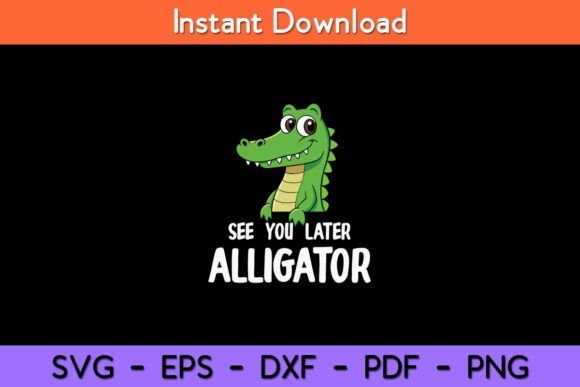
See You Later Alligator Funny Crocodile Graphics and Crafts
In the world of digital publishing, first impressions are not just about what you say; they are about how it looks. As a blog designer who has spent years refining editorial layouts and optimizing content for readability, I have learned that every visual asset on a page serves a strategic purpose. It is not merely decoration; it is part of the user experience. Recently, I evaluated a specific design element for potential integration into a lifestyle and craft-focused content network: the See You Later Alligator Funny Crocodile graphic. This piece caught my attention because it sits at the intersection of playful nostalgia and modern digital utility, offering a unique opportunity to enhance brand personality without sacrificing professional polish.
The initial impression of this design is one of immediate engagement. The crocodile motif, paired with the retro slang "See You Later Alligator," evokes a sense of whimsy and approachability. For publishers aiming to build trust with readers in niches such as parenting, home decor, DIY crafts, or lighthearted lifestyle blogging, this asset provides an instant mood shift. It feels clean, bold, and distinctly modern, yet it carries a vintage charm that resonates well with audiences seeking authenticity. Unlike generic stock photography that can feel sterile, this illustration adds character. It signals to the reader that the content following it is likely fun, accessible, and perhaps a bit creative. In an era where users scroll rapidly, a distinctive visual anchor like this can slow the thumb and invite the click.
Integrating Visual Assets into Real Publishing Workflows
When considering how to deploy a design like the See You Later Alligator Funny Crocodile, we must look beyond simple aesthetic appeal and consider its functional role within a content marketing strategy. A high-quality graphic is versatile. It is not limited to a single use case but rather acts as a cornerstone for various editorial touchpoints. For instance, when preparing featured images for blog posts, using a consistent visual theme helps establish category recognition. If a blogger writes about summer activities or children’s parties, incorporating this crocodile graphic into the header image creates a cohesive narrative thread.
Furthermore, this asset is exceptionally suited for social media promotion, particularly Pinterest. Pinterest is a visual search engine, and pins with clear, playful graphics often outperform text-heavy images. By designing a pin that features this crocodile illustration alongside a compelling headline, creators can improve click-through rates. The graphic serves as a visual hook, drawing the eye amidst a crowded feed. Similarly, for newsletter creators, this design can be used in email headers or as decorative accents within the body of the email to break up text and maintain reader interest. It transforms a standard text block into a visually engaging experience, which is crucial for retention in content marketing efforts.
Elevating Editorial Quality and Brand Identity
One of the most significant challenges in web design is maintaining a balance between creativity and professionalism. A poorly chosen graphic can make a site look amateurish, while a well-chosen one enhances credibility. The See You Later Alligator Funny Crocodile strikes this balance effectively. Its clean lines and clear imagery ensure that it does not clutter the design space. When used correctly, it supports the visual hierarchy of a webpage, guiding the reader’s eye toward key information or calls to action.
This asset also contributes to a stronger brand identity. Consistency is key in building a recognizable online presence. If a small business owner or creative entrepreneur uses this graphic across multiple platforms—such as their website, social media profiles, and downloadable resources—they create a unified visual language. This consistency builds trust with the audience. Readers subconsciously associate the familiar visual style with the quality of the content. Moreover, for those creating digital products, such as printable worksheets or digital guides, this graphic can serve as a cover image or a section divider, adding a layer of polish that justifies the value of the product. It elevates the perceived quality of the digital download, making it more attractive to potential buyers.
Strategic Applications Across Digital Platforms
The versatility of this design allows for numerous applications in real-world publishing scenarios. Here are some specific ways this asset can be integrated:
- Blog Featured Images: Use the graphic as a background element or a central icon in post thumbnails to increase visibility in search results and social shares.
- Pinterest Pins: Combine the illustration with bold typography to create eye-catching pins that drive traffic back to the blog.
- Newsletter Headers: Add a touch of personality to email campaigns, making them feel more personal and less corporate.
- Digital Guides and eBooks: Utilize the graphic as a chapter marker or cover art to enhance the visual appeal of downloadable resources.
- Social Media Graphics: Create consistent branding across Instagram, Facebook, and TikTok by using the same visual motifs in story templates and post designs.
- Affiliate Content Visuals: When reviewing products related to crafts or kids' activities, this graphic can contextualize the review, making it feel more relevant and engaging.
By leveraging these applications, publishers can create a more immersive and professional-looking content ecosystem. The graphic becomes more than just an image; it becomes a tool for communication.
Where to Exercise Caution in Design Implementation
While this asset is highly versatile, there are contexts where it may not be the best fit. Designers must be mindful of the overall tone of their website. For serious professional niches, such as legal advice, financial planning, or corporate news, a playful crocodile graphic might undermine the authority of the content. In these cases, a more minimal and formal visual system is preferable. Additionally, care should be taken when using the graphic in small mobile thumbnails. If the details are too intricate, they may become indistinct on smaller screens, reducing the effectiveness of the visual cue. It is also important to avoid placing the graphic on busy backgrounds or low-contrast areas, as this can compromise readability and visual impact.
Practical Publisher Notes for Optimal Performance
To ensure that the See You Later Alligator Funny Crocodile performs well in your publishing workflow, consider the following practical tips:
- Test Across Devices: Always preview the graphic on both desktop and mobile screens to ensure it scales appropriately.
- Check Contrast and Readability: Ensure that the graphic stands out against its background and does not clash with headline text.
- Font Pairing: Experiment with different font styles. The graphic pairs well with sans-serif fonts for a modern look, script fonts for a playful vibe, or display fonts for emphasis.
- Optimize File Size: Compress images properly to maintain fast load times, which is critical for SEO and user experience.
- Verify Licensing: Confirm commercial licensing before using the asset on monetized websites, affiliate pages, or paid content products.
In conclusion, the See You Later Alligator Funny Crocodile Svg Design Instant Download offers a valuable addition to any digital publisher’s toolkit. Its blend of humor, nostalgia, and clean design makes it suitable for a wide range of content types. By integrating this asset thoughtfully into your editorial strategy, you can enhance visual communication, strengthen brand identity, and ultimately create a more engaging experience for your readers. Whether you are crafting a new blog layout, designing a lead magnet, or updating your social media presence, this graphic provides the creative spark needed to stand out in a crowded digital landscape.